admin
admin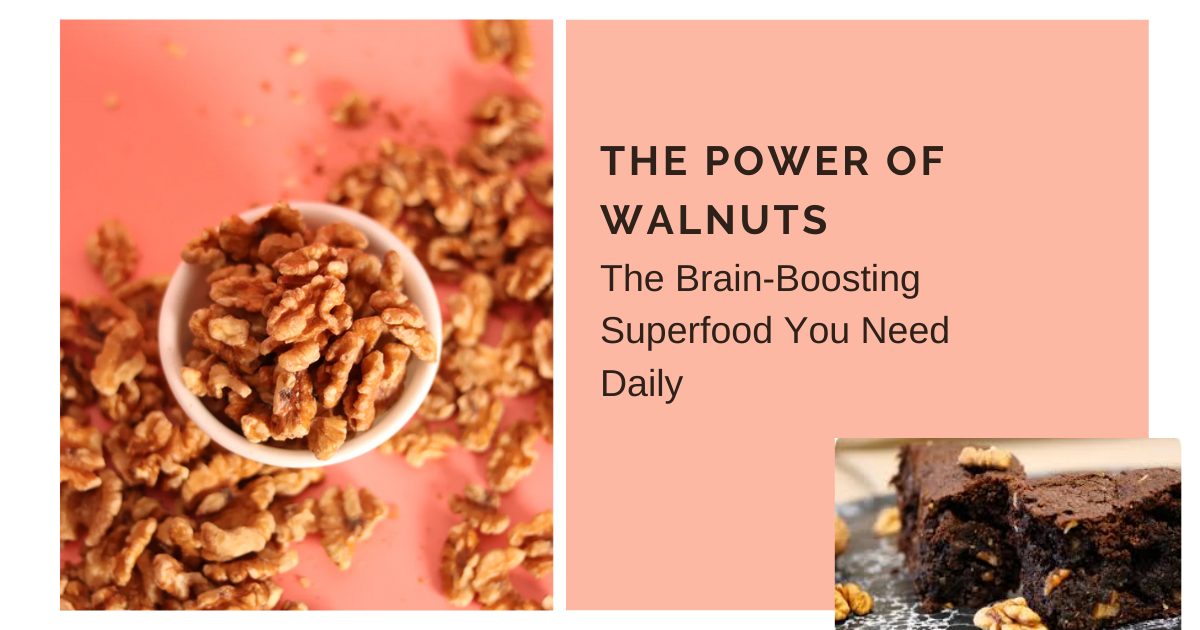
Regarding superfoods, few options are as compact, powerful, and nutritious as walnuts. Often overlooked in favor of flashier health foods, walnuts are humble yet mighty. Packed with essential nutrients, healthy fats, antioxidants, and omega-3 fatty acids, walnuts are particularly celebrated for their brain-boosting power. But their health benefits don’t stop at cognition—they support heart health, aid weight management, improve mood, and even enhance your skin.
Let’s dive deep into why a handful of walnuts a day could be the simplest yet smartest health decision you’ll make.
Walnuts are the edible seeds of the Juglans regia tree, commonly known as the English walnut. They have been consumed for thousands of years and are among the oldest tree foods known to man.
What Makes Walnuts So Special?

Here’s a quick look at the nutritional value of walnuts (per 1-ounce serving, or about 28 grams):
-
Calories: 185
-
Protein: 4.3 grams
-
Fat: 18.5 grams (mostly polyunsaturated fat)
-
Carbohydrates: 3.9 grams
-
Fiber: 1.9 grams
-
Omega-3 ALA: 2.5 grams
-
Vitamin E, magnesium, copper, and folate
The high content of alpha-linolenic acid (ALA)—a plant-based omega-3—is one of walnuts’ most significant assets, especially for brain and heart health.
1. Walnuts and Brain Health: Food for Thought
One of the most remarkable things about walnuts is their impact on brain function. Interestingly, their shape even resembles a miniature brain—nature’s subtle clue!
a. Rich in Omega-3s
The brain is nearly 60% fat, and omega-3s are crucial to maintaining that healthy structure. Walnuts are the best plant source of ALA, an essential fatty acid that our bodies cannot produce on their own. Omega-3s reduce inflammation, improve cell membrane fluidity, and help with neurotransmitter function—all vital for learning, memory, and mood regulation.
b. Cognitive Performance
Studies have linked walnut consumption to improved cognitive performance, particularly in older adults. Regular intake has shown benefits in:
-
Memory retention
-
Processing speed
-
Concentration and problem-solving
-
Mood and mental clarity
c. Alzheimer’s & Neurodegeneration
Thanks to their polyphenols and antioxidants, walnuts help combat oxidative stress and inflammation—two factors involved in age-related cognitive decline and diseases like Alzheimer’s. A diet rich in walnuts may offer protection against neurodegeneration over time.
2. Heart Health Hero
What’s good for the brain is also good for the heart. Walnuts have been proven to support cardiovascular health in several ways:
-
Lower LDL (bad) cholesterol
-
Improve HDL (good) cholesterol levels
-
Reduce blood pressure
-
Enhance blood vessel function
The omega-3 fatty acids, L-arginine, and antioxidants found in walnuts all contribute to a healthier circulatory system, reducing the risk of stroke, heart attack, and atherosclerosis.
3. Anti-Inflammatory and Antioxidant Power
Chronic inflammation is the root of many diseases, from cancer to arthritis to diabetes. Walnuts contain polyphenolic compounds such as ellagitannins, which the gut converts into urolithins—powerful anti-inflammatory and antioxidant agents.
Eating walnuts regularly may help:
-
Reduce inflammation
-
Neutralize free radicals
-
Support immune function
-
Slow aging and cellular damage
4. Gut Health and Digestion
You might be surprised to learn that your brain health is connected to your gut. Walnuts promote a healthy gut microbiome, increasing the population of beneficial bacteria like Lactobacillus and Bifidobacteria.
A balanced gut flora supports:
-
Better digestion
-
Stronger immunity
-
Enhanced mood and mental well-being (thanks to the gut-brain axis)
5. Weight Management & Satiety
Though walnuts are calorie-dense, they can support weight control. The combination of protein, fiber, and healthy fats helps you feel fuller for longer, reducing the likelihood of overeating.
Moreover, some studies show that not all the calories in walnuts are absorbed by the body, meaning you may get fewer calories than you think.
6. Skin, Hair, and Beauty Benefits

Walnuts also work wonders for your appearance:
-
Vitamin E and omega-3s keep skin hydrated and glowing
-
Antioxidants protect from UV damage and premature aging
-
Biotin and B vitamins promote stronger hair and nails
Adding walnuts to your diet is like nourishing your beauty from the inside out.
7. Mental Wellness and Mood
Thanks to their role in neurotransmitter regulation and inflammation reduction, walnuts are known to support mental health. They may help:
-
Reduce symptoms of depression
-
Improve emotional resilience
-
Enhance focus and reduce mental fatigue
People who eat walnuts regularly report better mood stability and lower anxiety levels.
How to Include Walnuts in Your Daily Diet
The good news? You don’t need a lot—just a small handful (about 7-10 walnut halves) daily is enough to see the benefits. Here are some easy ways to enjoy them:

-
Add to oatmeal or cereal
-
Blend into smoothies
-
Toss in salads for crunch
-
Mix into yogurt or desserts
-
Use in baking—banana bread, muffins, or granola bars
-
Snack on them plain or lightly roasted
Pro tip: Try soaking walnuts overnight before eating to boost nutrient absorption and improve digestion.